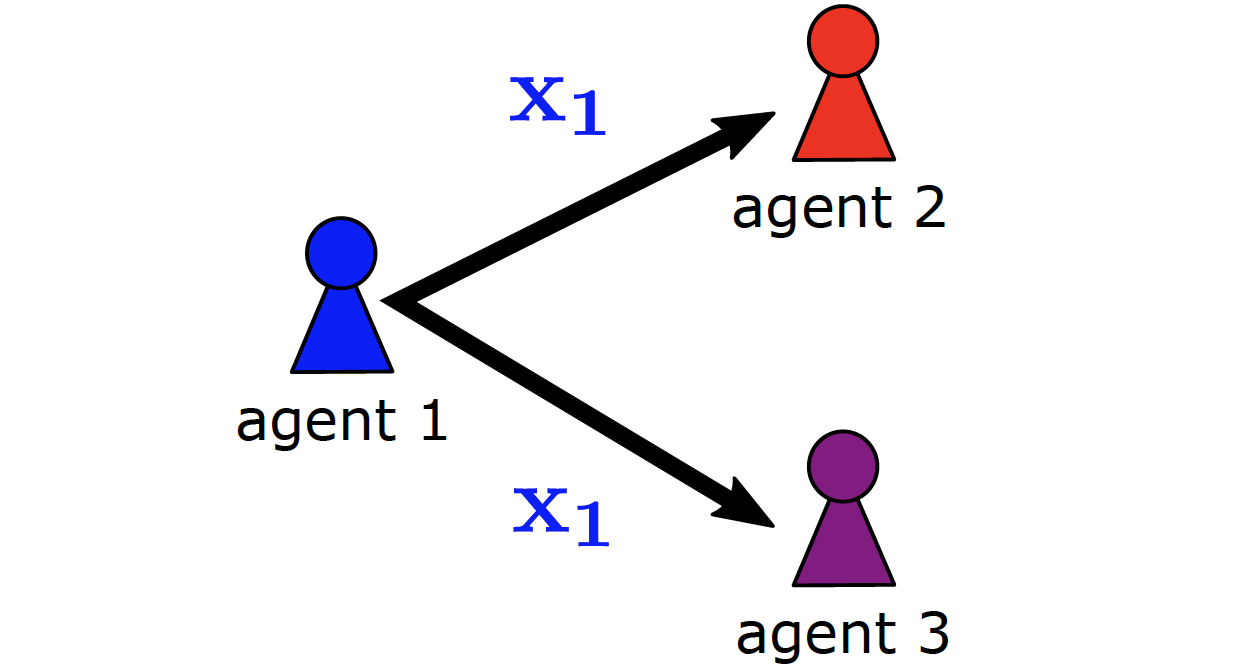
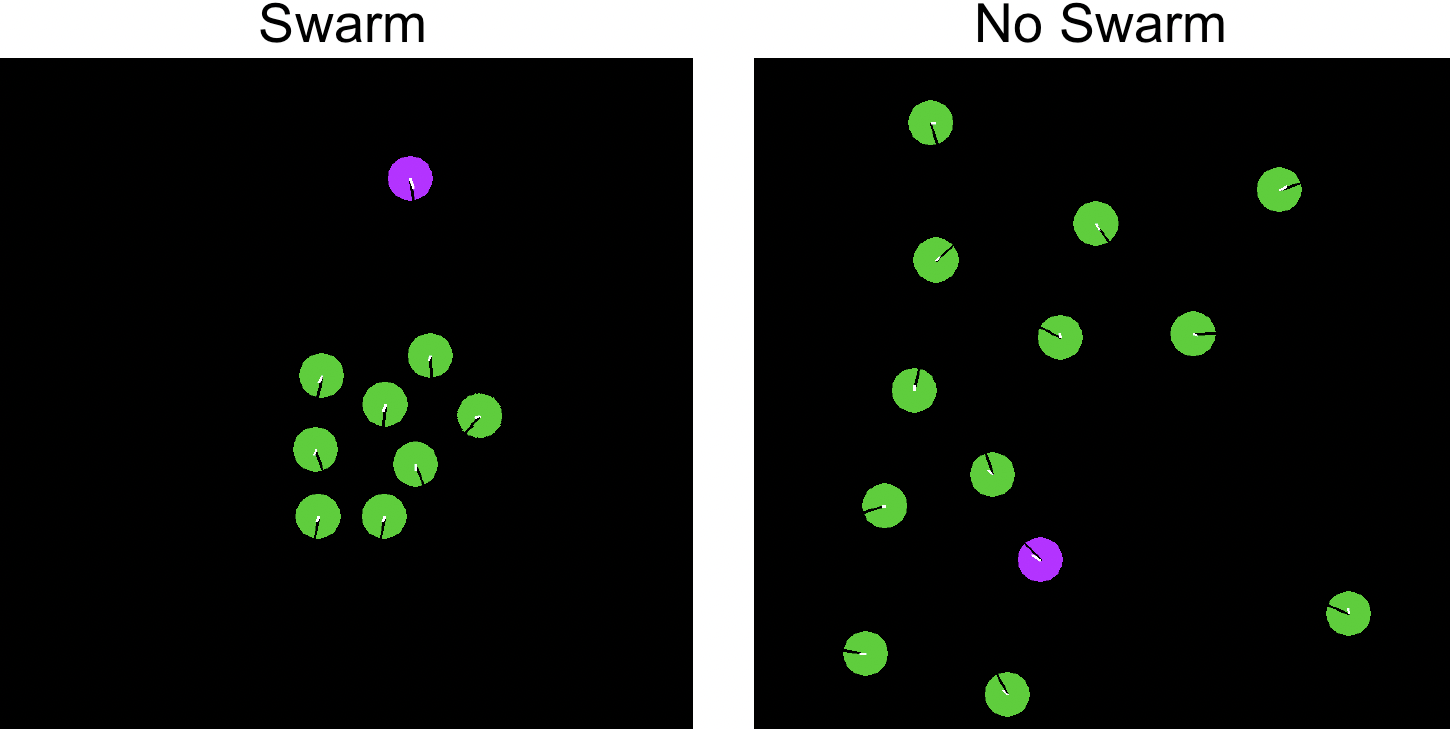
Peer incentivization (PI) is a popular multi-agent reinforcement learning approach where all agents can reward or penalize each other to achieve cooperation in social dilemmas. Despite their potential for scalable cooperation, current PI methods heavily depend on fixed incentive values that need to be appropriately chosen with respect to the environmental rewards and thus are highly sensitive to their changes. Therefore, they fail to maintain cooperation under changing rewards in the environment, e.g., caused by modified specifications, varying supply and demand, or sensory flaws — even when the conditions for mutual cooperation remain the same. In this paper, we propose Dynamic Reward Incentives for Variable Exchange (DRIVE), an adaptive PI approach to cooperation in social dilemmas with changing rewards. DRIVE agents reciprocally exchange reward differences to incentivize mutual cooperation in a completely decentralized way. We show how DRIVE achieves mutual cooperation in the general Prisoner's Dilemma and empirically evaluate DRIVE in more complex sequential social dilemmas with changing rewards, demonstrating its ability to achieve and maintain cooperation, in contrast to current state-of-the-art PI methods.
@inproceedings{ altmannTMLR2026,
    author      = "Philipp Altmann and Maximilian Zorn and Sven Koenig and Thomy Phan",
    title       = "Dynamic Reward Incentives for Emergent Cooperation under Changing Rewards",
    year        = "2026",


    abstract    = "Peer incentivization (PI) is a popular multi-agent reinforcement learning approach where all agents can reward or penalize each other to achieve cooperation in social dilemmas. Despite their potential for scalable cooperation, current PI methods heavily depend on fixed incentive values that need to be appropriately chosen with respect to the environmental rewards and thus are highly sensitive to their changes. Therefore, they fail to maintain cooperation under changing rewards in the environment, e.g., caused by modified specifications, varying supply and demand, or sensory flaws — even when the conditions for mutual cooperation remain the same. In this paper, we propose Dynamic Reward Incentives for Variable Exchange (DRIVE), an adaptive PI approach to cooperation in social dilemmas with changing rewards. DRIVE agents reciprocally exchange reward differences to incentivize mutual cooperation in a completely decentralized way. We show how DRIVE achieves mutual cooperation in the general Prisoner's Dilemma and empirically evaluate DRIVE in more complex sequential social dilemmas with changing rewards, demonstrating its ability to achieve and maintain cooperation, in contrast to current state-of-the-art PI methods.",
    url         = "https://openreview.net/forum?id=9Ltu1HV2YI",
    eprint      = "https://openreview.net/pdf?id=9Ltu1HV2YI",


    booktitle   = "Transactions on Machine Learning Research",

    keywords    = "mutual acknowledgments, emergent cooperation, peer incentivization, reinforcement learning, multi-agent learning",

}
Related Articles
- T. Phan et al., “Emergent Cooperation from Mutual Acknowledgment Exchange in Multi-Agent Reinforcement Learning”, JAAMAS 2024 (journal version)
- M. Koelle et al., “Multi-Agent Quantum Reinforcement Learning using Evolutionary Optimization”, ICAART 2024
- L. Belzner et al., “The Sharer’s Dilemma in Collective Adaptive Systems of Self-Interested Agents”, ISoLA 2018
- K. Schmid et al., “Action Markets in Deep Multi-Agent Reinforcement Learning”, ICANN 2018
- T. Phan, “Emergence and Resilience in Multi-Agent Reinforcement Learning”, PhD Thesis
Relevant Research Areas